Digital marketing trends in Dubai in 2026: what brands need to win
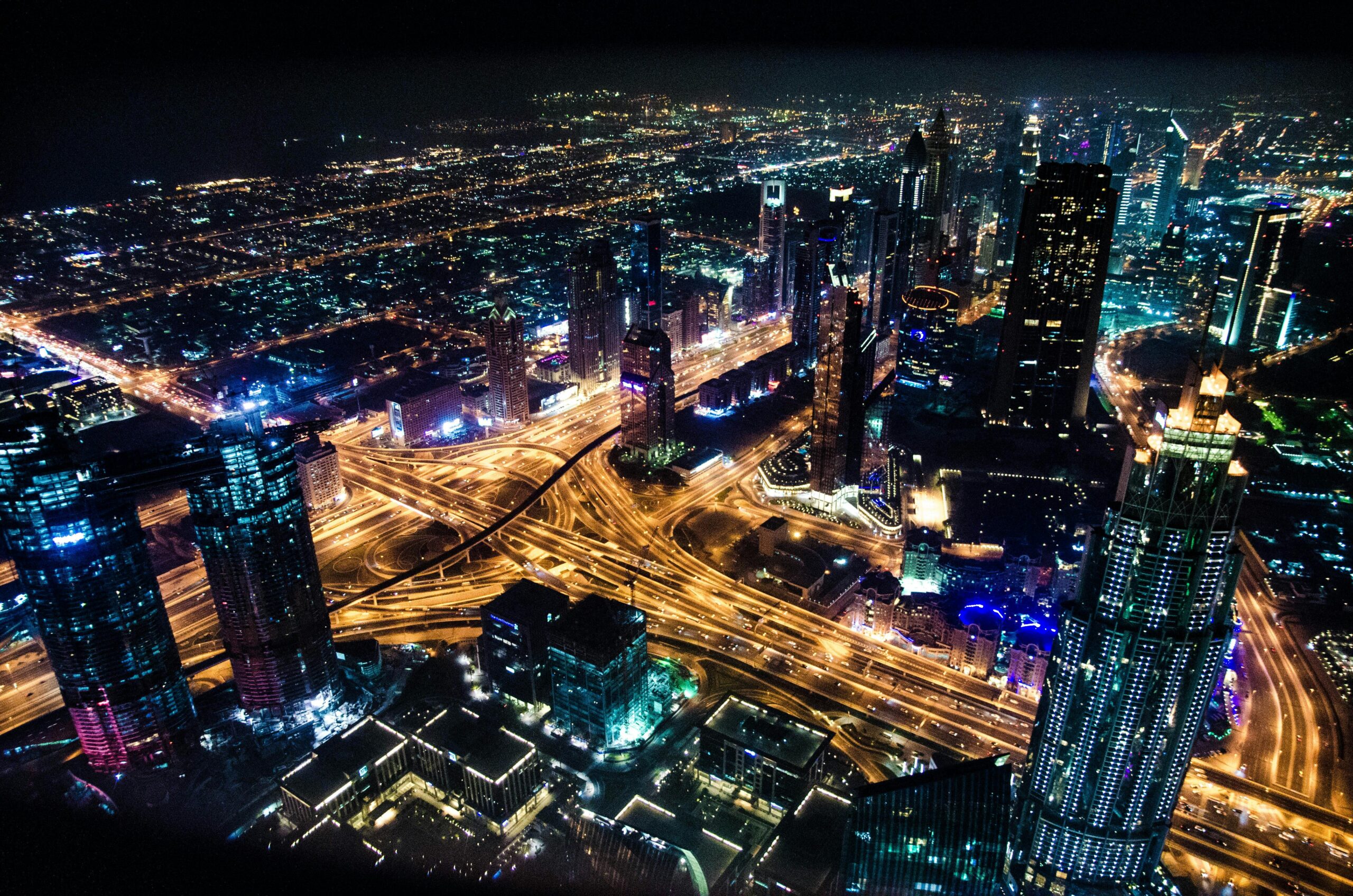
Dubai is one of the most competitive digital markets in the region. In the UAE, internet penetration is already at 99%, mobile connections equal 202% of the population, and social media user identities have reached 12.5 million, or 110% of the population. At the same time, Dubai welcomed 19.59 million international overnight visitors in 2025, which means brands are competing for the attention of both residents and a constantly changing flow of visitors.
That is why digital marketing in Dubai in 2026 is not about doing more content or buying more ads. It is about moving faster, localizing better, and building campaigns that match how people actually discover, compare, and buy.
1. Creator marketing in Dubai is no longer optional
One of the biggest digital marketing trends in Dubai in 2026 is the rise of creator-led campaigns. The UAE is actively building itself as a creator economy hub through Creators HQ, and the 1 Billion Followers Summit in Dubai is now positioned as a large-scale creator event with thousands of creators, speakers, and attendees.
For brands, this changes the role of influencer marketing in Dubai. It is no longer just about paid posts. It is about creator partnerships, content-led discovery, community trust, and formats that feel native to Instagram, TikTok, and short-form video platforms. TikTok has also reported rapid growth in live content globally, with over 100 million creators going LIVE in 2024, showing how strongly creator behavior is moving toward real-time engagement.
What this means for brands:
If your 2026 strategy for Dubai does not include creator marketing, short-form video, or personality-led content, you are likely missing where attention is actually going.
2. Mobile-first marketing is now the baseline
Another major trend in digital marketing in Dubai is the shift from “mobile-friendly” to fully mobile-first marketing. The UAE’s e-commerce market reached AED 32.3 billion in 2024 and is projected to exceed AED 50.6 billion by 2029. Growth is being driven by a highly connected population, strong delivery infrastructure, and rising digital shopping habits. Digital wallets also grew from 41% of online transactions in 2020 to 53% in 2024.
For brands in Dubai, this means your entire funnel has to work on mobile:
- the ad,
- the landing page,
- the checkout flow,
- the direct response path,
- and the follow-up communication.
What this means for brands:
If your campaign looks good in a deck but slow, cluttered, or weak on a phone, your performance marketing in Dubai will struggle.
3. Social commerce keeps growing
As e-commerce grows, social commerce in Dubai is becoming more important. Discovery is increasingly happening through Instagram, TikTok, creators, and direct mobile interactions, while conversion happens fast through simplified payment behavior and stronger comfort with digital buying. The UAE’s e-commerce growth and rising digital wallet usage point to a market that is becoming more comfortable with low-friction online transactions.
This is especially important for:
- fashion,
- beauty,
- food and beverage,
- lifestyle,
- premium services,
- hospitality,
- and event-led brands.
What this means for brands:
Your social media marketing in Dubai should not stop at awareness. It should be designed to move people from scroll to action.
4. Arabic content is becoming more important, but translation is not enough
Dubai is still an English-heavy market in many sectors, but in 2026 brands cannot rely on English-only communication if they want scale. Meta has expanded Meta AI toward the Middle East and Arabic language support, and Google has continued rolling out more Arabic AI experiences across the region, which reflects a broader platform shift toward deeper Arabic-language digital behavior.
For brands, the real trend is not just Arabic content. It is localized content.
That means:
- different hooks for Arabic and English audiences,
- different tone of voice,
- different creators,
- and often different conversion journeys.
What this means for brands:
Arabic content marketing in Dubai should not be a translation task. It should be a separate communication strategy.
5. Influencer marketing in Dubai is becoming more regulated
A very important 2026 trend is compliance. The UAE Media Council requires an Advertiser Permit for individuals who engage in advertising activities on social media, whether they are paid or not. Permit holders must display their permit number and publish ads only through registered accounts linked to that permit. There is also a separate Visitor Advertiser Permit for visiting creators working in the UAE through approved agencies.
This matters because influencer marketing in Dubai is becoming more professional and more accountable.
What this means for brands:
In 2026, creator campaigns are not just about reach and aesthetics. They are also about compliance, reputational safety, and working with the right partners.
6. Short-form video and faster content production are still winning
Short-form video is not new, but in 2026 it is becoming even more central to digital marketing in Dubai because of how fast content cycles move. Meta rolled out AI-powered video editing tools that make it easier to create and adapt short-form videos for Facebook and Instagram, which pushes the market toward faster testing and faster content production.
That does not mean more content for the sake of volume. It means faster creative adaptation:
- more campaign variations,
- quicker testing,
- more creator-style edits,
- and more responsive paid creative.
What this means for brands:
Content production in Dubai is moving toward speed, variation, and platform-native video, not slow, over-polished campaigns.
7. Smart brands plan around Dubai’s retail and tourism calendar
One of the most overlooked trends in Dubai digital marketing is the importance of citywide demand timing. Dubai’s official 2026 Retail Calendar includes 18 citywide events, and the Dubai Shopping Festival alone runs for 38 days. At the same time, tourism continues to hit record highs.
This affects campaign planning across:
- retail,
- hospitality,
- food and beverage,
- events,
- clinics,
- beauty,
- and leisure brands.
What this means for brands:
The best digital advertising in Dubai in 2026 will not be planned only around internal launches. It will be timed around real demand peaks in the city.
8. Owned channels matter more in a crowded market
As paid media gets more competitive, brands in Dubai are putting more weight on channels they fully control:
- social media communities,
- direct audience communication,
- email,
- WhatsApp,
- CRM,
- and owned content ecosystems.
This shift makes sense in a market where digital usage is already near saturation and attention is expensive. The more your business relies only on paid reach, the more fragile your growth becomes. The stronger your owned channels are, the easier it becomes to retain attention, warm audiences, and convert demand more efficiently. This is an inference based on the UAE’s high digital saturation and fast-growing e-commerce behavior.
Final takeaway
The biggest digital marketing trends in Dubai in 2026 are clear:
- creator marketing is becoming standard,
- mobile-first campaigns are non-negotiable,
- social commerce is growing,
- Arabic content needs real localization,
- influencer campaigns need compliance,
- short-form video still drives attention,
- and timing campaigns around Dubai’s retail and tourism rhythm matters more than ever.
For brands, the message is simple: the market is not getting quieter. It is getting faster, more crowded, and more demanding. The brands that win in Dubai in 2026 will be the ones that move quickly, localize well, and build marketing systems around how people actually behave now.